
Behind the Scenes: How Louisiana’s Swamp Ecosystem Changes With Each Season
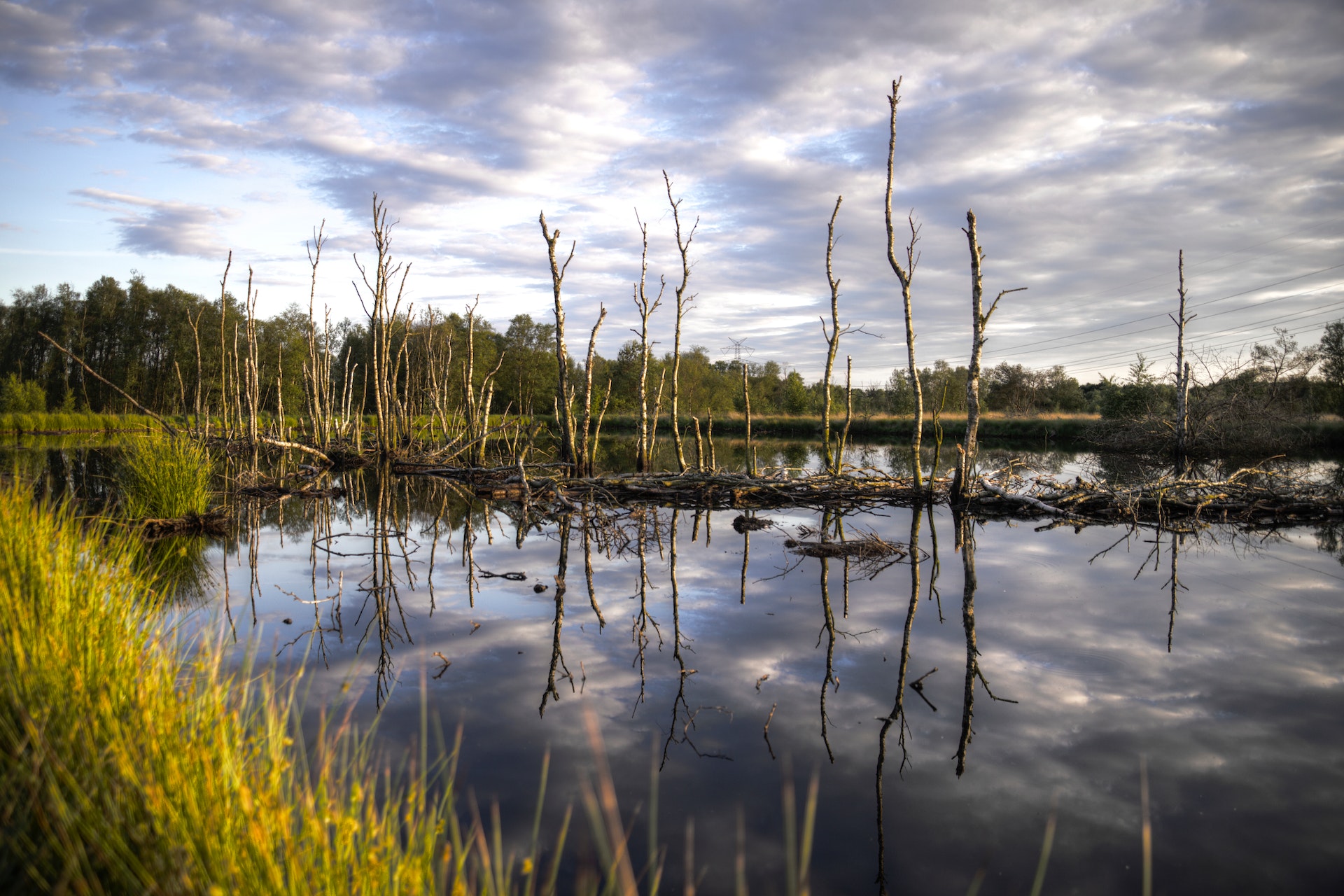

Water levels, plant life, and wildlife behavior shift constantly. What looks quiet on the surface often reflects significant activity beneath it”
MARRERO, LA, UNITED STATES, January 9, 2026 /EINPresswire.com/ -- Louisiana’s swamp ecosystem operates on a seasonal rhythm shaped by water levels, temperature shifts, plant cycles, and wildlife movement. While often perceived as static landscapes, swamps undergo continuous transformation throughout the year. Each season introduces distinct environmental changes that influence vegetation growth, animal behavior, and overall ecological balance.— Milton Walker Jr.
Spring marks a period of renewal across Louisiana’s swamps. Rising temperatures and increased rainfall elevate water levels, replenishing nutrients throughout the wetlands. Cypress and tupelo trees begin new growth cycles, while aquatic plants expand rapidly beneath the surface. Increased water flow distributes organic material, supporting insects, amphibians, and fish populations that rely on seasonal flooding for reproduction.
Wildlife activity intensifies during spring months. Birds return from migration routes, nesting in swamp canopies and along marsh edges. Amphibians become more vocal and visible as breeding season begins, while reptiles emerge from cooler-weather dormancy. This seasonal surge contributes to population balance and reinforces the interconnected nature of swamp species.
Summer introduces higher temperatures and more stable water levels. Sunlight penetration increases plant productivity, supporting dense vegetation growth both above and below the waterline. Photosynthesis peaks during this period, strengthening the food web that supports fish, invertebrates, and larger predators.
Heat influences animal behavior during summer. Many species adjust activity patterns to avoid peak temperatures, becoming more active during early morning and evening hours. Alligators regulate body temperature by moving between sun-exposed banks and cooler water, while birds seek shaded nesting areas. Despite the heat, biological activity remains constant beneath the surface.
As summer transitions into fall, water levels often begin to recede. Reduced rainfall and cooler temperatures slow plant growth and signal changes in wildlife behavior. Deciduous vegetation sheds leaves, adding organic matter to the water and soil. This seasonal input provides nourishment for microorganisms and detritivores, sustaining the ecosystem through cooler months.
Fall also represents a period of movement. Migratory birds pass through swamp corridors, relying on wetland habitats for rest and feeding. Fish adapt to changing water depths, and reptiles gradually reduce activity as temperatures decline. These adjustments reflect long-established survival patterns shaped by seasonal cues.
Winter introduces a quieter phase within the swamp. Cooler temperatures slow metabolic rates across many species, reducing visible activity. Water levels may fluctuate depending on rainfall, but biological processes continue beneath the surface. Plant growth slows, yet root systems remain active, stabilizing soil and maintaining water quality.
While winter appears dormant, it serves an important ecological function. Reduced activity allows habitats to recover from peak seasonal demands. Decomposition of organic material enriches sediments, preparing the ecosystem for the next growth cycle. This period of relative stillness supports long-term resilience.
Seasonal change also affects water chemistry. Temperature, oxygen levels, and nutrient concentration shift throughout the year, influencing species distribution and behavior. These variations support biodiversity by creating a range of microhabitats within the swamp environment.
According to Milton Walker Jr., owner of Louisiana Tour Company in Marrero, Louisiana, understanding seasonal change provides valuable insight into the complexity of swamp ecosystems.
“Each season brings a different version of the swamp,” said Walker. “Water levels, plant life, and wildlife behavior shift constantly. What looks quiet on the surface often reflects significant activity beneath it.”
Walker noted that these transitions highlight the adaptability of swamp environments. “The ecosystem adjusts continuously. Seasonal variation isn’t disruption—it’s part of how the swamp maintains balance year after year,” he said.
Environmental cycles also influence long-term wetland health. Seasonal flooding supports sediment distribution, vegetation regeneration, and nutrient exchange. These processes help buffer surrounding areas from storm impact and support water filtration functions essential to regional ecosystems.
Climate patterns can amplify or alter seasonal dynamics. Extended droughts or unusually heavy rainfall may shift timing and intensity of natural cycles. Monitoring these changes helps scientists and conservationists better understand how wetlands respond to evolving conditions.
Swamps serve as living indicators of environmental health. Seasonal variation reflects broader ecological patterns that extend beyond wetland boundaries. Changes in water flow, plant composition, or species behavior often signal larger environmental trends within the region.
Understanding seasonal shifts offers a deeper perspective on the role swamps play within Louisiana’s landscape. These ecosystems are not static backdrops but active systems shaped by time, temperature, and water movement. Each season contributes to a continuous cycle that supports biodiversity, resilience, and ecological stability.
By observing how Louisiana’s swamps change throughout the year, the complexity and importance of these environments become more apparent. Seasonal transformation underscores the dynamic nature of wetlands and their role in sustaining both wildlife and the surrounding landscape.
Morgan Thomas
Rhino Digital, LLC
+1 504-875-5036
email us here
Visit us on social media:
Facebook
Legal Disclaimer:
EIN Presswire provides this news content "as is" without warranty of any kind. We do not accept any responsibility or liability for the accuracy, content, images, videos, licenses, completeness, legality, or reliability of the information contained in this article. If you have any complaints or copyright issues related to this article, kindly contact the author above.
