

Website Architecture Plays a Key Role in Converting Online Visitors Into Leads
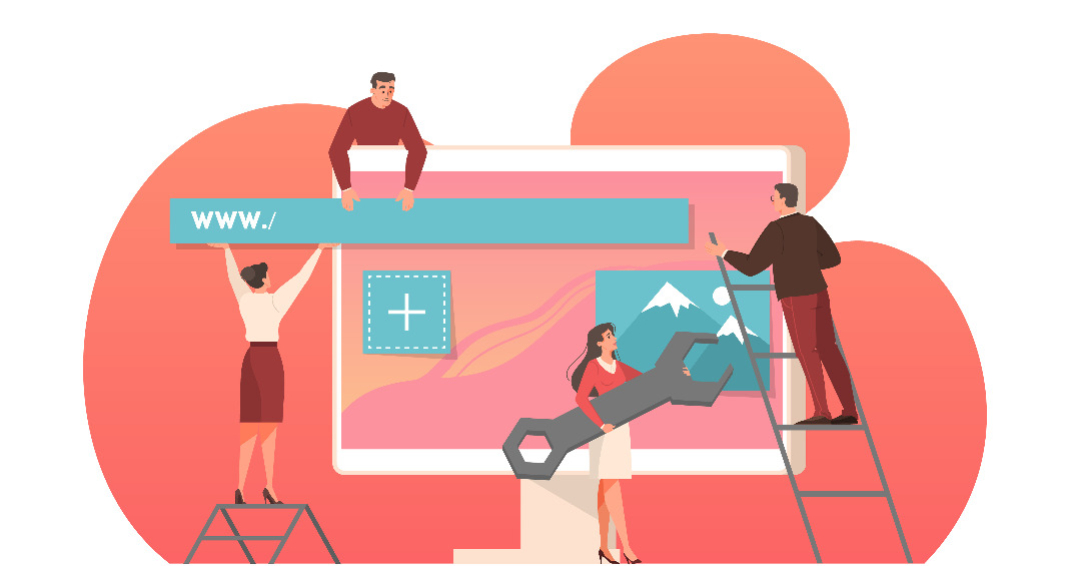

Website design often gets the spotlight, but structure is what guides visitors through the experience”
NEW ORLEANS, LA, UNITED STATES, June 17, 2026 /EINPresswire.com/ -- A website often serves as the first point of contact between a business and a potential customer. While visual design frequently receives the most attention, website structure remains one of the most important factors influencing how visitors interact with online content and whether those visitors ultimately become leads.— Brett Thomas
Website structure refers to the way information is organized, linked, and presented throughout a website. Navigation menus, page hierarchy, internal linking, content organization, and calls to action all contribute to the overall user experience. When these elements work together effectively, visitors can more easily find information and take desired actions.
Many businesses focus heavily on attracting traffic through advertising, search engine optimization, social media, and other marketing channels. However, traffic alone does not guarantee meaningful engagement. Once visitors arrive, the website itself must provide a clear path that guides them toward learning more about services, requesting information, or making contact.
Research consistently shows that users make decisions about a website within seconds of arriving. If navigation appears confusing or important information is difficult to locate, visitors often leave before exploring additional pages. A structured website helps reduce friction by presenting information in a logical and intuitive way.
Clear navigation menus are among the most important components of website architecture. Visitors typically arrive with specific questions or goals. Straightforward navigation helps direct attention toward relevant information without requiring excessive searching. Organized categories and clearly labeled pages create a smoother experience and encourage longer visits.
Page hierarchy also plays a significant role in user behavior. Homepages typically introduce primary services and direct visitors toward more detailed content. Service pages provide additional information, while supporting pages answer common questions and address specific concerns. A logical hierarchy allows visitors to move naturally through the decision-making process.
Another important element involves internal linking. Links between related pages help visitors discover additional information while remaining engaged with the website. Internal links can guide users toward service descriptions, case studies, frequently asked questions, or contact pages. This interconnected structure encourages deeper exploration and supports a more comprehensive understanding of available services.
Mobile usability has become increasingly important as more consumers rely on smartphones and tablets for online research. A website structure that functions well on desktop devices but becomes difficult to navigate on mobile screens can create barriers for potential customers. Responsive design and mobile-friendly navigation help ensure accessibility across multiple devices.
Content placement also affects user engagement. Key information should be presented where visitors naturally expect to find it. Contact details, service descriptions, pricing information when applicable, and inquiry forms should be positioned strategically throughout the website. Placing important content in logical locations reduces frustration and supports a smoother user journey.
Loading speed and technical performance contribute to website structure as well. Pages that load slowly can interrupt the visitor experience and increase abandonment rates. Efficient coding practices, optimized images, and streamlined website architecture help improve performance and maintain visitor engagement.
Search engines also benefit from well-organized websites. Clear page structures and logical internal linking help search engines understand website content and relationships between pages. While user experience remains the primary objective, effective architecture often supports broader visibility efforts as well.
Many businesses periodically redesign websites to refresh visual appearance. During these projects, structural considerations should receive equal attention. An attractive design may capture attention, but long-term effectiveness often depends on how easily visitors can navigate and interact with the site.
"Website design often gets the spotlight, but structure is what guides visitors through the experience," said Brett Thomas, owner of Rhino Web Studios in New Orleans, Louisiana. "A website should help people find information naturally and make it easy to take the next step when the time is right."
Businesses in every industry face increasing competition online. Consumers frequently compare multiple providers before making decisions, and website usability can influence which organizations receive inquiries. Clear navigation, organized content, and intuitive page layouts help support positive interactions that may lead to future business relationships.
Website audits often reveal structural issues that developed over time. As businesses add new services, content, and pages, navigation systems can become cluttered. Regular reviews help identify opportunities to simplify pathways, eliminate confusion, and improve the overall visitor experience.
Lead generation is rarely the result of a single website feature. Instead, it typically reflects the combined impact of many elements working together. Strong architecture provides the foundation that supports these efforts by helping visitors move efficiently from initial interest to meaningful engagement.
As digital expectations continue evolving, website structure remains a critical component of online communication. Businesses that prioritize usability, organization, and accessibility position themselves to create more effective online experiences for prospective customers.
Rhino Web Studios is a New Orleans, Louisiana-based digital marketing and website development company specializing in website design, search engine optimization, content development, hosting, and digital marketing solutions for businesses across a variety of industries.
Morgan Thomas
Rhino Digital, LLC
+1 504-875-5036
email us here
Visit us on social media:
Facebook
Legal Disclaimer:
EIN Presswire provides this news content "as is" without warranty of any kind. We do not accept any responsibility or liability for the accuracy, content, images, videos, licenses, completeness, legality, or reliability of the information contained in this article. If you have any complaints or copyright issues related to this article, kindly contact the author above.
